This integration would place Alaska within two of the largest airline alliances in the world. Regulatory approval remains a necessary step before the partnership can proceed.
The Atlantic Joint Business, formed in 2010, currently connects American with British Airways, Iberia, Finnair, Aer Lingus, and LEVEL. This alliance allows participating carriers to coordinate more effectively across the North Atlantic than standard codeshare agreements. The Pacific Joint Business, meanwhile, links American directly with Japan Airlines, focusing on North America-Asia routes.
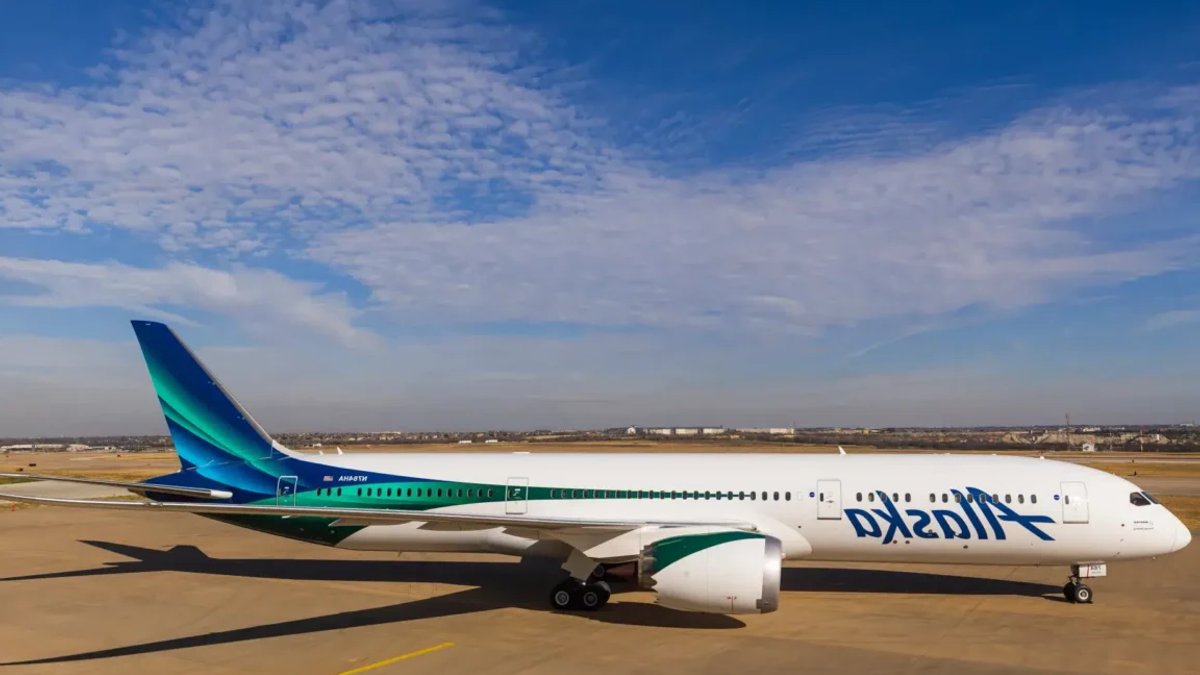
Alaska’s participation would mark a major expansion for the airline, which has shifted beyond its traditional focus on the West Coast, Alaska, and Hawaii. The merger with Hawaiian Airlines provided access to Boeing 787 long-haul aircraft, and the airline has since launched an intercontinental network from Seattle. By 2030, Alaska plans to operate flights to at least 15 international destinations as part of its Alaska Accelerate initiative.
Through this partnership, Alaska’s growing international network would integrate with broader connectivity options across Europe and Asia. Travelers from West Coast hubs would benefit from coordinated flights to major European cities, including London, Madrid, Dublin, and Helsinki. On the Pacific side, the agreement would enhance cooperation with Japan Airlines as Alaska expands its Asian routes from Seattle.
Japan Airlines emphasized that the partnership would increase travel choices between Asia and North America. International Airlines Group, which operates British Airways and Iberia, stated that Alaska’s involvement would improve North Atlantic connections. However, the deal is not yet finalized. American and Alaska will seek approval and antitrust immunity from the U.S. Department of Transportation and relevant international authorities.
Until regulators grant approval, Alaska will maintain its current partnerships with American and other oneworld members. If approved, the move would strengthen Alaska’s global presence, offering West Coast passengers more seamless travel options across both the Atlantic and Pacific regions.
This integration follows Alaska’s recent strategic shifts, including its merger with Hawaiian Airlines and the introduction of long-haul services. The airline’s expansion reflects a broader industry trend toward deeper cross-border collaborations. Regulatory hurdles remain, but if successful, the partnership would position Alaska as a key player in international air travel.


