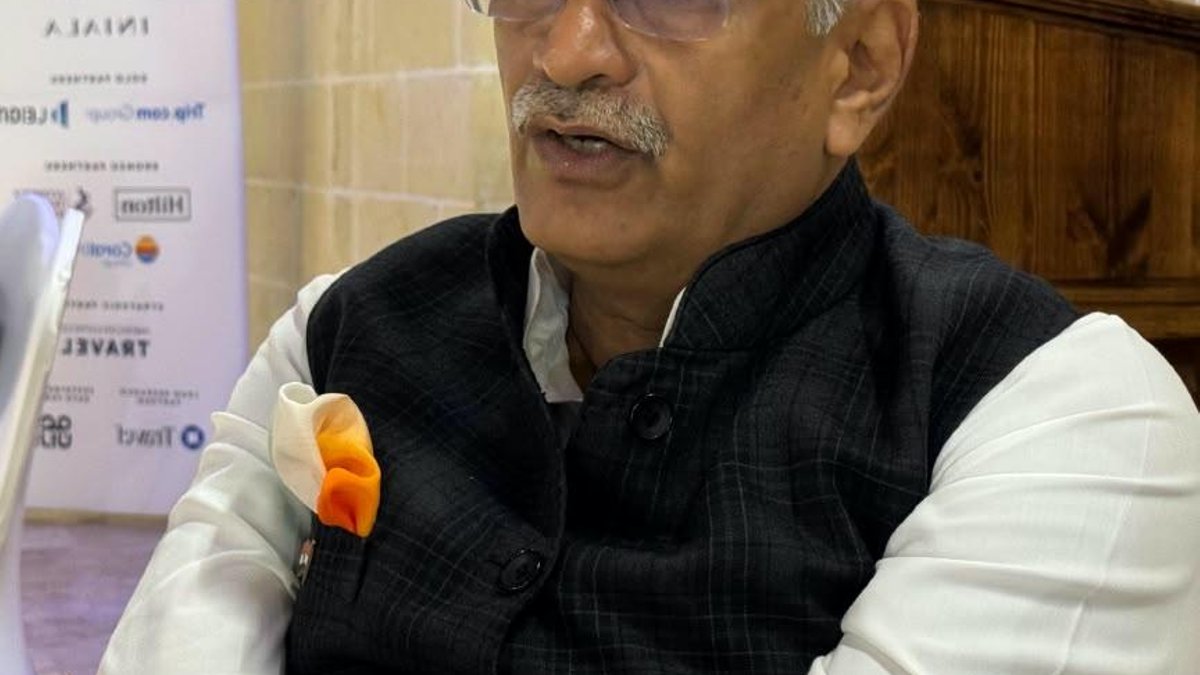
India’s tourism bottleneck is supply, not visas, says Tourism Minister Shekhawat.
The Gap Between Demand and Capacity
Union Tourism & Culture Minister Gajendra Singh Shekhawat told reporters at the WTTC Global Summit that the country faces a fundamental challenge in aligning its tourism supply with growing demand. He argued that visa access is not the primary barrier to inbound travel.
“The supplies are comparatively short,” Shekhawat said. “Because of the gap in demand and supply, the cost of travel has increased for the budget-class travellers, and that is what works as a bottleneck for the growth of international travel.”
He said the imbalance is most visible in the domestic market, where more than 4.7 billion journeys and hotel stays took place over the past year. Domestic tourism is growing at 11%, while international arrivals are growing at just 3.2%. This disparity suggests that India’s expanding visibility is not yet translating into a larger share of global tourism.
The minister expressed confidence that the supply-demand gap would begin to ease over the next three years. However, he acknowledged that expanding hospitality infrastructure requires time and sustained effort.
Expanding Reach Through Digital and Diplomatic Channels
Shekhawat pushed back against claims that visas are a major impediment to inbound tourism. He noted that 80% of visas granted are processed through the e-visa system. Currently, 88 international gateways accept e-visas, and 98% of these are processed within 72 hours.
He also addressed the closure of overseas tourism offices, stating that physical presence is no longer as necessary in the digital age. “Earlier, it used to be done through the offices we had around the world,” Shekhawat said. “But in today’s digital world, I think physical offices are not much required. They have lost their value.”
Strategic Targets for Sector Growth
Shekhawat stated that tourism currently contributes slightly less than 6% to the national economy. The government has set a target to raise this share to 10% by the year 2047. The sector already generates close to nine crore jobs in India. He predicted that employment potential would expand as demand for travel and hospitality services increases.
Meeting this projected demand requires sustained investment in training and skills development. The minister noted that the government is upgrading its network of 22 institutes. These institutions aim to prepare workers for opportunities in hospitality and tourism, both domestically and internationally.
The minister identified Hyderabad’s convention model as an example for other cities. Mumbai, Delhi and Kolkata are also working to attract more events. Citing the Coldplay concerts in Mumbai and Ahmedabad, he said the events generated an estimated US$300 million in economic impact. Several states, including Meghalaya, Assam, and Madhya Pradesh, are pursuing entertainment-led tourism.
He predicted the sector will become the second-largest employer after agriculture when the 2047 target is met.
Fifty Destinations to Reduce Congestion
With overtourism and climate change emerging as concerns for destinations worldwide, Shekhawat said India’s approach would focus on high-value tourism and experience-led travel. The government plans to develop 50 iconic destinations to global standards. This plan aims to help address pressure on established tourist hotspots.


