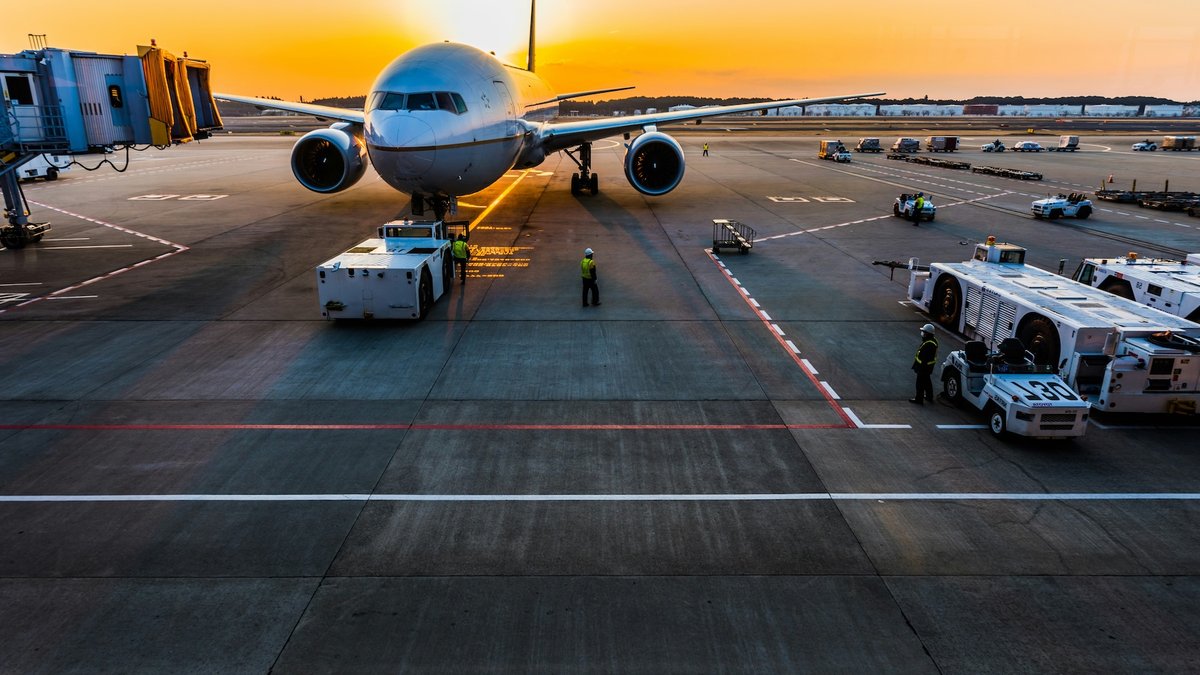
A new rule from the U.S. Department of Transportation will narrow the circumstances under which airlines must compensate delayed passengers for meals and hotels. The rule, effective October 19, redefines which flight disruptions are considered within an airline’s control.
What Changes Under the New Rule
The rule modifies how airlines report delays and cancellations to the DOT. Starting October 19, the “Air Carrier” cause code will apply only to disruptions directly within an airline’s control. Airlines will no longer use this code for 10 specific events, including unscheduled maintenance, cyberattacks, and airport closures due to weather.
This change implements Section 511(b) of the FAA Reauthorization Act of 2024. Major carriers like American, Delta, Southwest, and United have pledged to provide amenities only for disruptions deemed controllable. According to Squaremouth, a travel insurance marketplace, the DOT expects fewer passengers to receive these benefits once the rule takes effect.
Key Events No Longer Counted Against Airlines
The 10 events that will no longer be classified as the airline’s fault include:
- Deep cleaning of an aircraft after a passenger’s death
- Aircraft damage from weather, debris, or sabotage
- Failures of third-party baggage systems
- Cyberattacks, if the airline complies with regulations
- Sudden failures of federal systems affecting flight safety
- Brakes overheating due to an emergency
- Mandatory, unscheduled maintenance
- Medical emergencies not caused by the airline
- Removal of unruly passengers
- Airport closures due to weather or volcanic activity
Unscheduled maintenance is particularly significant. While scheduled maintenance remains within the airline’s control, unplanned repairs, even those required by airworthiness directives, will not, according to Erika Josefsson, a passenger rights expert at AirHelp.
Impact on Travelers and Advisors
Between July 2025 and July 2026, 24% of flights operated by U.S. carriers were delayed, canceled, or diverted, with air carrier delays accounting for 6.85% of all flights, according to the Bureau of Transportation Statistics. Refund rights remain unchanged, but the rule shifts focus to documentation and coverage.
Josefsson advises travelers to obtain written reasons for delays, keep receipts, and review airline customer service plans. Travel insurance can cover costs airlines decline to pay, though benefits vary by policy. Chrissy Valdez of Squaremouth notes that insurance policies clearly define coverage, unlike airline offerings, which can vary by situation.
Refund Rights and Insurance Coverage
Passengers retain their right to a refund for unused tickets when an airline cancels a flight or significantly alters an itinerary, and the traveler rejects the alternative. This entitlement remains unaffected by the new rule, regardless of the cause of the disruption.


