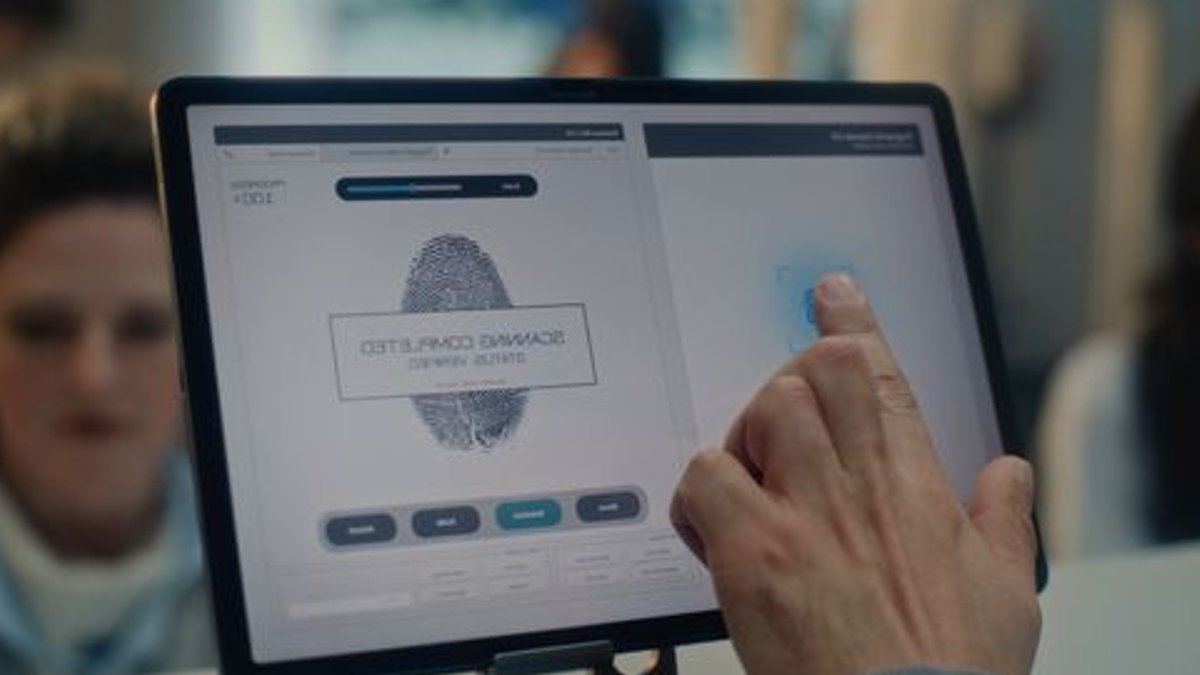
For years, the seamless use of digital identity in air travel has been anticipated. Passengers would handle airports with just one secure biometric verification, eliminating the need for repeated passport or boarding pass checks. This vision is now transitioning from trials to real-world deployments, with industry pilots gaining momentum over the past year.
Technology ready, policy follows
The technical infrastructure for seamless travel is largely established, experts confirm. “The technology is mature,” said Alessandro Minucci, leading seamless travel initiatives at Amadeus. “We’re seeing widespread biometric implementation and digital ID adoption at the government level.”
Related: Busbud Names New Board Members and Parent Company
The consensus among industry players is that the main hurdle has shifted from proving technology to integrating disparate systems across borders. Minucci argues that the aviation industry has reached the “last mile” of digital identity maturity, as trusted, government-issued credentials become available alongside biometric verification.
Around the world, examples are emerging. Amadeus highlights Curaçao’s mobile-based border processing, Indonesia’s contactless biometric corridors, Manchester Airport’s biometric passenger journey, and even MSC Cruises’ biometric terminal in Miami as evidence that end-to-end digital identity is no longer experimental but operational.
Pilots become operations
One clear indicator of progress is IATA’s recent Contactless Travel proof of concept. This brought together airlines, airports, and six digital wallet providers to demonstrate how digital credentials could move seamlessly through the travel journey. The exercise also explored secure identity transfer during online travel agency bookings.
Related: Avelo Airlines Hits 10 Million Passenger Milestone
The initiative identified areas needing refinement, particularly around interoperability and simplifying the customer experience. SITA, for instance, participated in a similar proof-of-concept at Bengaluru Airport, where passengers used digital identity credentials stored on smartphones for terminal entry, security, and boarding.
Government participation key
All major organizations interviewed agreed that future progress depends on government participation. IATA plans to work directly with governments over the next three years to encourage regulatory support for internationally interoperable digital identity credentials.
Related: Travel investment reaches one trillion dollars mark
“We are very close to seeing that mass adoption in one or two years,” said Younkyung Kim, senior manager for customer experience at the International Air Transport Association (IATA), citing increased engagement among stakeholders including airlines, airports, governments and digital wallet providers.
The industry agrees that the remaining challenge is ensuring trusted identity can move consistently between airlines, airports, and governments, regardless of geography. “Consistency at scale is what comes next,” said Gabriel Marquie, IATA’s head of digital identity and access management. “When digital identity reaches that point, the travel experience changes completely.”


