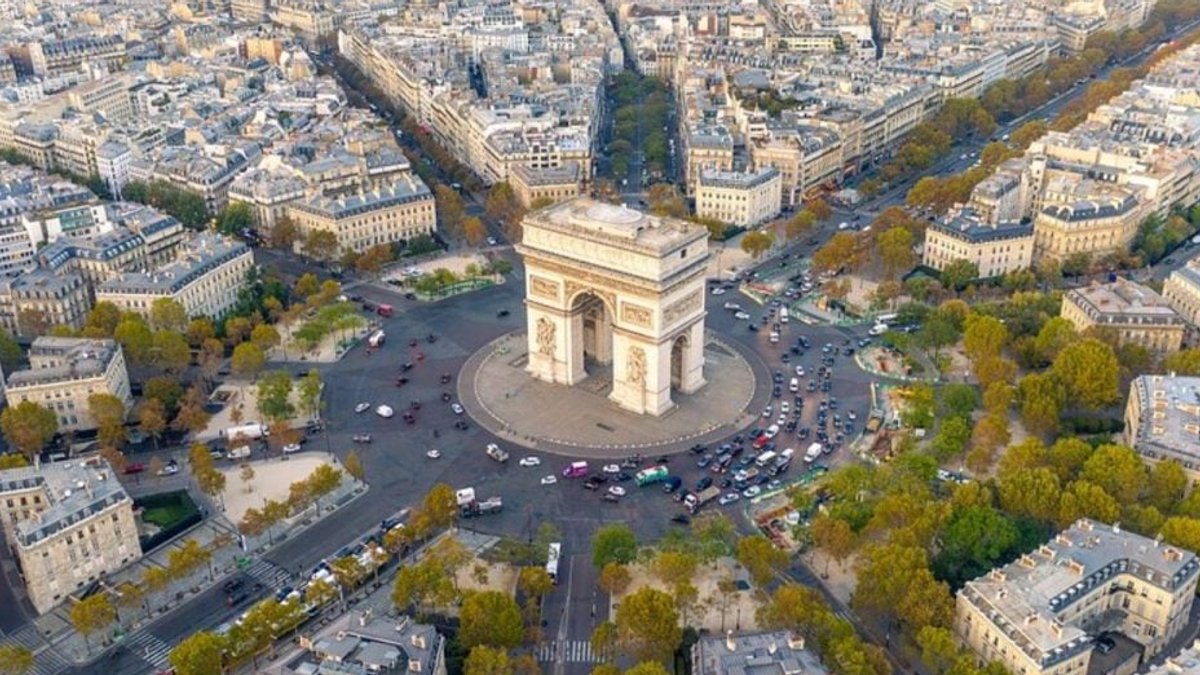
Paris is experiencing its most severe tourism disruption in recent history as protests over economic hardship trigger widespread closures, heightened security, and last-minute changes to major attractions. Demonstrations planned for Saturday, 24 October 2026 prompted authorities to deploy 70,000 security personnelLaurent Nuñez announced these measures after violent clashes during earlier protests, aiming to prevent further unrest before high-profile events. The restrictions primarily affected cultural landmarks. The Louvre Museum, Musée d’Orsay, and Grand Palais closed to visitors on Saturday, along with the Musée national Picasso-Paris and Bourse de Commerce. The Fondation Cartier shut down early on Friday and remained closed through the weekend. Even Art Basel Paris, a cornerstone of the city’s arts calendar, concluded its program two days early due to security concerns. Live performances also faced cancellations or alterations. The Palais Garnier and Opéra Bastille canceled their 24 October shows, while the Musical Fountains Show at Versailles closed early. The Paris tourism office confirmed that while hotels, restaurants, and shops largely remained operational, individual venues faced access restrictions. Sports events suffered significant disruptions. The NFL’s NFL House fan venue in Paris closed on Saturday, with league officials citing potential accessibility issues. The New Orleans Saints postponed their Saints House event to Sunday, though a separate Pittsburgh Steelers gathering had already been canceled on Thursday. Despite these changes, the Steelers vs. Saints match at the Stade de France remains scheduled for Sunday afternoon. French football also adjusted its schedule. The Paris Saint-Germain vs. Olympique Lyonnais Ligue 1 match, originally planned for Sunday evening at the Parc des Princes, was moved to Monday, 26 October at 20:30 local time after police requested the delay. Other fixtures, including a Toulouse vs. Troyes game, were rescheduled to accommodate security priorities. The US Department of State issued a travel alert for American visitors, warning of potential unrest and advising caution during protests and the NFL game. Security measures included nighttime movement restrictions in parts of Place de la République and Les Halles, effective until 26 October between 23:00 and 06:00. Exemptions applied to residents, professionals, and emergency services, but unauthorized gatherings were banned. Public transport—metro, RER, buses, and rail—remained operational, though some stations could face temporary closures. Airports at Charles de Gaulle and Orly continued normal operations, with no major flight disruptions reported. French President Emmanuel Macron met with NFL Commissioner Roger Goodell and representatives from both teams at the Élysée Palace on Friday to discuss Sunday’s game and the league’s future in Paris. The meeting highlighted the high importance of the NFL’s first regular-season game in France, even as protests threatened to overshadow the event. The protests’ spread into central Paris has forced a reassessment of security and public access, unlike past demonstrations that typically remained confined to specific districts. This round of unrest has directly impacted the city’s tourism infrastructure, from world-class museums to international sporting events. The duration of these restrictions remains uncertain, as does their potential effect on visitor numbers in the coming weeks. Smaller cultural events and private gatherings also faced disruptions. The Musée de l’Orangerie, preparing for its autumn exhibition, suspended all public access on Saturday, while private tours for corporate clients were canceled without rescheduling. The Centre Pompidou, though not officially closed, limited its hours and restricted entry to pre-booked visitors only, a shift from its usual open-door policy. The Philharmonie de Paris postponed a weekend concert series due to logistical challenges posed by the security perimeter around nearby Place de la République. Private tour operators reported significant losses, with cancellations for guided walks through Montmartre and Seine cruises. Some companies, including Paris City Vision, transitioned to virtual experiences, offering live-streamed commentary on landmarks like the Eiffel Tower and Notre-Dame Cathedral. Authorities advised tour guides to avoid congregating in restricted zones after clashes between demonstrators and police near the Champs-Élysées on Friday evening. The city’s Office du Tourisme urged visitors to check real-time updates, as restrictions could shift based on protest movements. The NFL’s decision to close its NFL House in central Paris was driven by police assessments of protest routes converging near the Gare de Lyon area. League officials confirmed that alternative fan engagement, such as limited meet-and-greets at the Stade de France, would replace canceled activities. The Pittsburgh Steelers fan event’s cancellation on Thursday followed similar security concerns, with organizers citing “unforeseen developments” after demonstrators blocked access to the Porte de Versailles area. The New Orleans Saints rescheduled their Saints House to Sunday after securing police approval for a smaller, controlled gathering near the stadium. The Paris Saint-Germain vs. Olympique Lyonnais postponement was finalized after police identified the Parc des Princes as a high-risk zone due to its proximity to protest hotspots in the 15th arrondissement. The Stade de France, by contrast, was deemed lower risk because its location in Saint-Denis allowed for easier security cordoning. Authorities redirected additional riot police units from the Toulouse vs. Troyes match to reinforce barriers around the Opéra Bastille and Gare du Nord, where clashes had occurred during Friday’s protests. The Ligue 2 rescheduling affected venues like the Stade Auguste-Delaune in Reims, where a match was moved to accommodate police deployments. The US Department of State’s security alert for the NFL game included specific warnings about potential disruptions to public transport near the Châtelet-Les Halles metro station, a key transfer point for visitors heading to the Stade de France. The alert noted that demonstrators had previously targeted this area during 2023’s pension reform protests. French authorities expanded nighttime restrictions to include parts of the Marais district and Saint-Germain-des-Prés, where unauthorized gatherings had been reported. Residents required identification to access their own buildings during restricted hours, a measure not previously implemented during protests. Airport operations at Charles de Gaulle and Orly remained unaffected, but the RATP public transport authority advised passengers to avoid stations near Bastille, Gare de l’Est, and Porte de Clignancourt due to possible service interruptions. The Transilien network, connecting Paris to suburbs like Versailles and Rambouillet, maintained its schedule, though some regional trains experienced delays when protesters blocked tracks near Montparnasse. The Tour Eiffel and Arc de Triomphe remained open but enforced mandatory bag checks and limited elevator access to manage crowds.
Related Post: EIC Barometer shows future events demand remains strong
Related Post: Private Yacht vs Catamaran in Cancun: Which Charter Experience Is Right for You?


