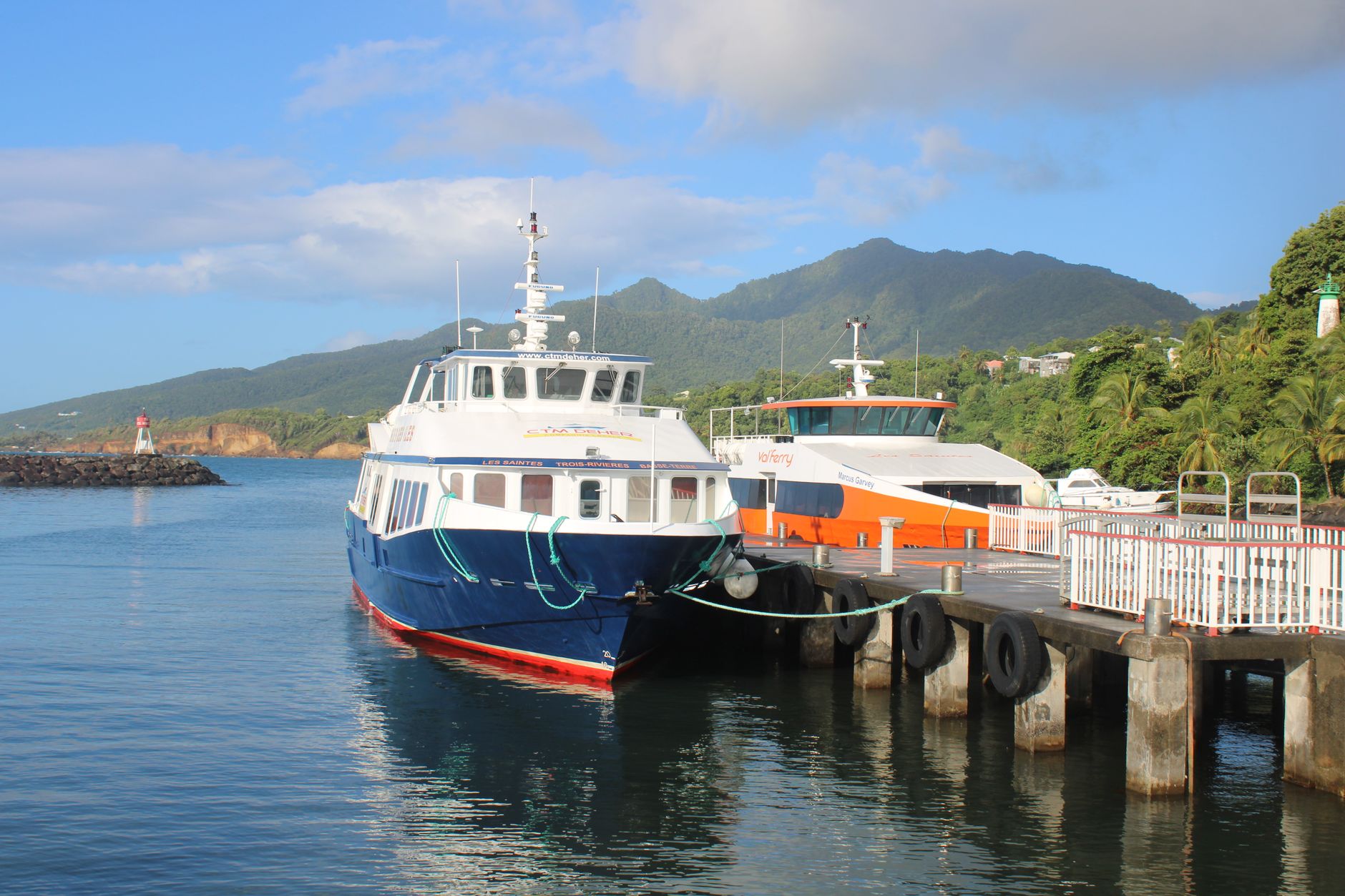
Fiji’s third-largest high-speed ferry has entered service, boosting access to the Mamanuca and Yasawa Islands. South Sea Cruises Group unveiled the 227-passenger vessel named Jaguar, which began operations in early August.
A new vessel for the islands
Jaguar is the final ship in the operator’s two-year fleet renewal program. It joins recently introduced vessels Yasawa Princess II, Lynx, and Puma. The fleet connects visitors from the mainland to the island chains popular with Australian tourists.
The ship will run multiple scheduled services and tourism routes. Travel sellers now have more capacity and flexibility to move clients to resort islands across the region.
Guests aboard Jaguar will find air-conditioned lounges, panoramic viewing areas, licensed refreshments, open-air seating, and a dedicated travel desk. The vessel was built in Brisbane by Aus Ships Group, a long-term Australian shipbuilding partner.
Smoother rides and better efficiency
Jaguar is one of only two passenger vessels in Fiji fitted with a full ride-control system. This technology, shared with the nearby Yasawa Flyer III, is designed to deliver smoother sailings and greater comfort in challenging sea conditions.
Powered by MAN V12 engines, the ship offers an estimated 10 per cent improvement in fuel efficiency compared to similar vessels. The design also reduces fuel consumption, wake, and emissions.
The investment represents a major milestone in South Sea Cruises Group’s long-term commitment to Fiji’s tourism industry. While slightly smaller than the Yasawa Flyer III, Jaguar fills an important operational role. It allows the company to better support resort partners, tourism operators, and wholesale distribution networks.
Related: Utah targets 2034 Winter Games with infrastructure upgrades
Analysts note that the addition of Jaguar changes the logistics for travel agents booking Mamanuca and Yasawa stays. With the last piece of the fleet overhaul now in service, the operator has more seats and added flexibility. This shift helps advisors promise smoother transfers and easier day-of-arrival logistics to clients planning resort-hopping itineraries.
Strategic fleet expansion
Brad Rutherford, CEO of South Sea Cruises Group, described Jaguar as a critical component of the company’s future strategy. He emphasized that the vessel was purpose-built to complement the existing fleet and provide greater flexibility across both island groups.
The 227-passenger vessel operates alongside Yasawa Flyer III, which remains the largest in the fleet. Despite the size difference, Jaguar provides essential operational capacity that supports the broader network of transport services. This allows the operator to maintain high service standards and meet the growing demand from international travelers.
Fiji remains one of the top outbound destinations for Australian travellers, and reliable island transfers are central to selling the resort-hopping experiences across the Mamanucas and Yasawas. The new addition strengthens the infrastructure supporting these popular holiday packages.
Environmental and economic impact
Passengers can expect a significantly smoother journey when crossing the open ocean. The inclusion of a full ride-control system is a key feature, distinguishing Jaguar from other vessels in the region. This technology mitigates the effects of choppy waters, ensuring a more comfortable experience for families and holidaymakers.
Efficiency improvements are equally significant. Powered by the latest MAN V12 engines, Jaguar delivers an estimated 10 per cent improvement in fuel efficiency compared with similar vessels. An advanced hull design further reduces fuel consumption, wake, and emissions, aligning with modern sustainability goals.
For travel advisors, the logistics of booking trips to these remote locations have become simpler. Karryon Unpacks notes that the completion of the fleet overhaul provides more seats and greater flexibility. This capacity allows agents to move clients out to resort islands with confidence, promising smoother transfers and easier day-of-arrival logistics.


