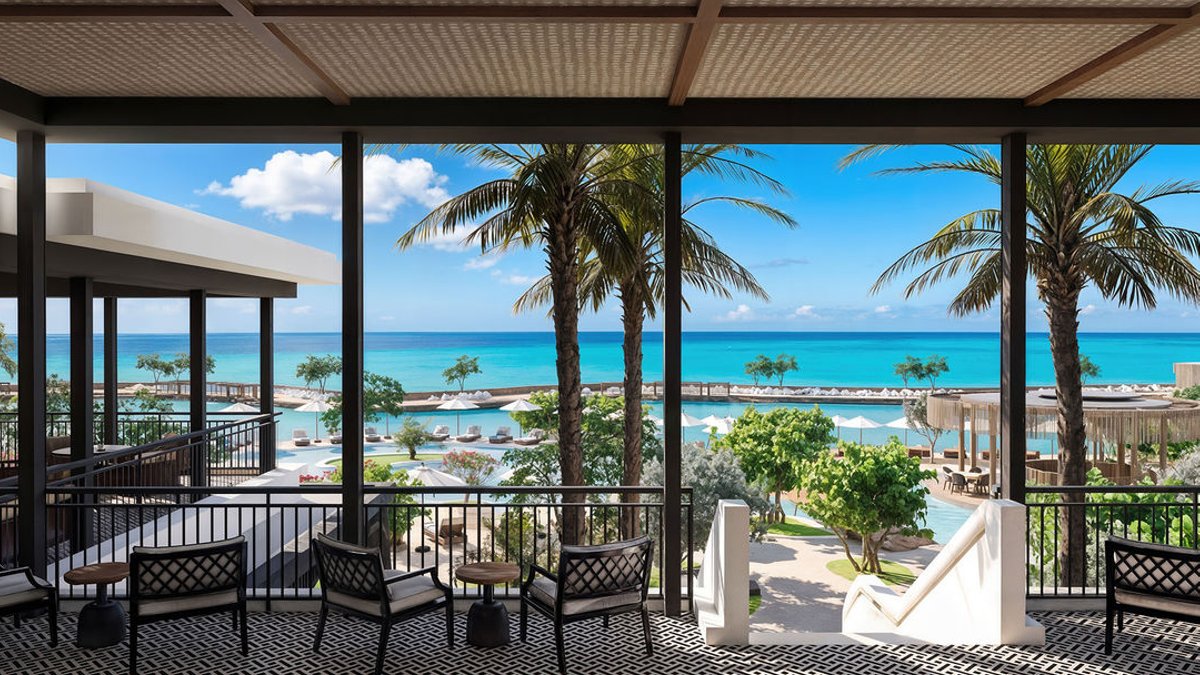
The Caribbean’s adults-only resort market is growing quickly, with bookings increasing by 15% compared to the previous year, based on findings from a luxury travel research group. A segment once limited to honeymooners has now become a leading force in premium hospitality, as travelers increasingly seek destinations focused on tranquility and sophisticated social settings.
This development aligns with evolving travel preferences. While all-inclusive resorts have long attracted visitors, the adults-only format adds an extra layer of exclusivity, appealing beyond couples to include solo travelers and friend groups. The newly opened The Pyrmont Curacao Beach Resort, which launched in November, highlights this appeal. Its sales and marketing director explained that the resort’s design removes typical distractions, allowing guests to relax without family-oriented programming.
Demographic changes are accelerating this growth. Declining birth rates in the U.S. and a rising population of adults without children have created a larger audience for destinations tailored to older demographics. Additionally, working parents are actively seeking resorts that offer a reprieve from child-focused environments. In response, properties like The Pyrmont are enhancing their amenities, emphasizing wellness programs, cultural engagement, and high-end dining. The resort plans to integrate local heritage into guest experiences, featuring restored colonial structures for a spa and dining venue, as well as workshops led by artisans.
Major hotel brands are seizing on this opportunity. This year alone, new adults-only resorts have debuted in the Dominican Republic, including Secrets St. Regis Punta Cana and Hyatt Vivid Punta Cana, while The Westerly Hilton Aruba entered the market. Further expansions are on the horizon, with Unico 1877 Montego Bay and Royalton Chic Jamaica Paradise Cove scheduled to open in 2027. The steady rollout of these properties signals that the trend is not fleeting but is fundamentally altering how luxury travel is positioned across the Caribbean.
Investments in infrastructure and local partnerships are also shaping the market’s future. Developers are prioritizing sustainability, with several resorts adopting eco-friendly practices such as solar energy integration and reduced plastic usage. The focus on cultural immersion, through partnerships with local artisans and historical preservation, further distinguishes these properties from traditional all-inclusive destinations.
Beyond physical amenities, the shift reflects a broader cultural movement toward experiences that cater to mature audiences. Resorts are increasingly offering tailored programming, such as wine-tasting excursions, private yoga sessions, and culinary masterclasses, to align with the refined interests of their guest base.


